History
Mozart's Vienna years
Mozart's ten years in Vienna in five dates, from the 1781 dismissal to the Magic Flute and his death in 1791, to set the concert in its city.
Choose your Mozart evening ↗Quick answer
Mozart settled in Vienna in 1781 and never left, writing Figaro for the Burgtheater and The Magic Flute for a suburban theatre, and he died there in December 1791. This guide gives five dates from Wikipedia to put an evening of his music in its city.
Why dates help
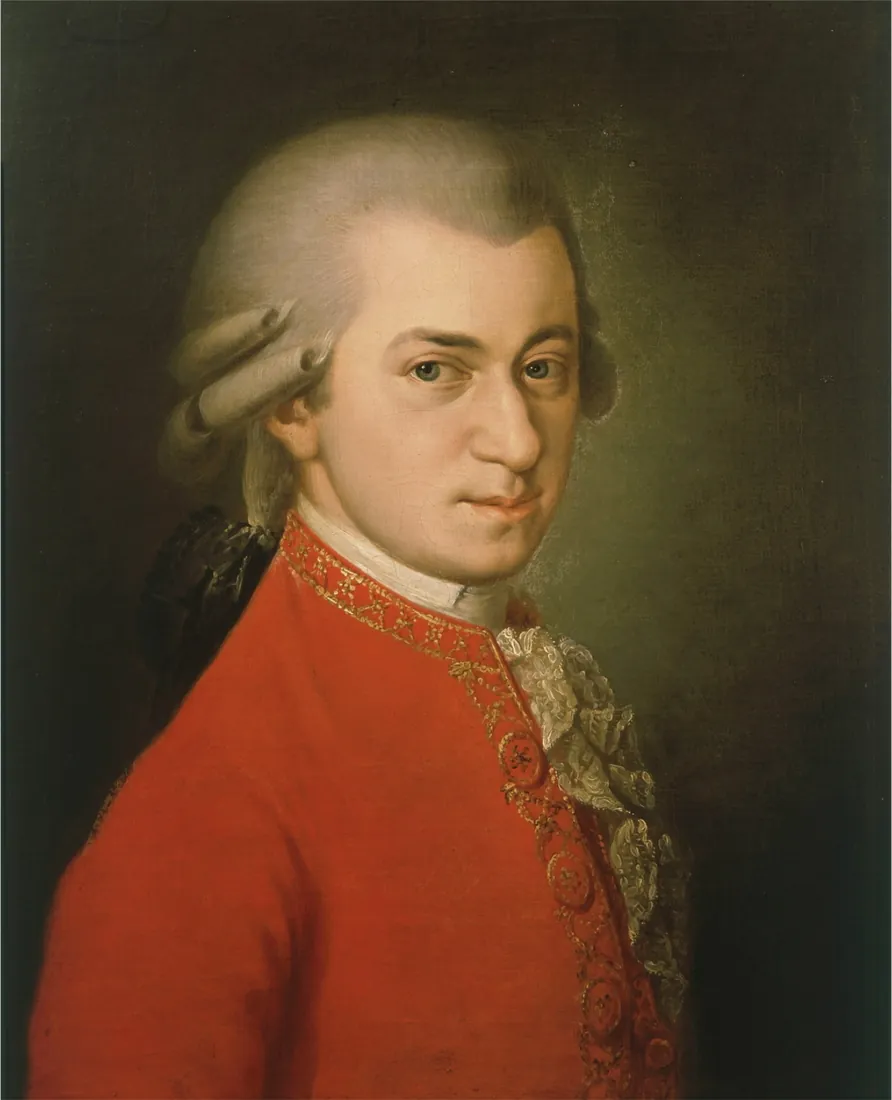
A concert of overtures, arias and duets can feel detached from the city it came from. Five dates restore the link. They come from Wikipedia's account of Mozart's life, and they are the years in which the operas the concert draws on were written and first staged. Hearing them against a few facts about Vienna makes the costumes and wigs feel less like a theme and more like a nod to the world he worked in.
1781: he stays
In 1781 Mozart was visiting Vienna and his quarrels with his employer in Salzburg came to a head. Wikipedia says he was dismissed, and that he chose to remain in Vienna, where he stayed for the rest of his life, achieving fame and some financial success but no long-term security. Everything that follows in this guide happened after that decision, which is why Vienna, not Salzburg, is where the great operas of his last decade were staged.
1782: a first Vienna success
Die Entführung aus dem Serail, an opera, premiered on 16 July 1782. Wikipedia reports that it achieved considerable success, and that early in his Vienna years he was widely thought the finest keyboard player in the city. He also gave concerts of his own piano concertos in unconventional venues, including a large room in an apartment building and the ballroom of a restaurant, because space in the theatres was scarce, the same article explains.
1786: Figaro
Mozart led the first two performances of Figaro, which opened on 1 May 1786 at the Burgtheater. Wikipedia says the Imperial Italian opera company paid him a fee for the work. It is the opera whose overtures and arias most often fill a Mozart evening. The theatre that staged it, the old Burgtheater beside the Hofburg, was replaced by a new building on the Ringstrasse in 1888.
1787: Prague and a court post
Don Giovanni opened in Prague on 29 October 1787, and Eine kleine Nachtmusik was completed in Vienna that August. In December Emperor Joseph II appointed Mozart his chamber composer, a part-time post that Wikipedia says required him only to write dances for the annual balls in the Redoutensaal. The article adds that this modest income mattered when hard times arrived, and that the Austro-Turkish War hurt musicians' earnings in Vienna.
1791: The Magic Flute and the end
On 30 September 1791 Schikaneder's theatre on the Wieden staged The Magic Flute, a hit from the first nights. Two months later, on 5 December 1791, Mozart died at home, aged 35, in Vienna. Wikipedia says the cause of his death is not known with certainty. The Magic Flute is the last of the opera sources an evening like this draws on.
Where the concert fits
A costumed concert does not recreate any of those nights. The players are about thirty musicians in Baroque costume and wigs with opera singers and soloists, the programme is overtures, arias and duets, and the hall depends on the date. What it does is bring the music to a Vienna room for two hours. Knowing the five dates simply gives you something to listen against, and a reason to go to the Hofburg or the Ringstrasse by day.
Who this isn't for
Anyone wanting a museum-style visit to the places Mozart lived and worked, a concert is not that. If you want a scholarly performance on period instruments, the costume concert is not that either. It is a way to meet the music, and the dates above are background for the curious, not a tour. A walking visit by day will teach more about the city; the concert in the evening will teach more about the sound.
Frequently asked questions
When did Mozart move to Vienna?
He was visiting in 1781, was dismissed by his Salzburg employer and stayed on in Vienna until he died.
Where did Figaro open?
At the Burgtheater in Vienna, on 1 May 1786. Mozart conducted the first two performances.
Where did The Magic Flute open?
At the Freihaus-Theater auf der Wieden, run by Schikaneder, on 30 September 1791.
When did Mozart die?
On 5 December 1791, at home in Vienna, aged 35. Wikipedia says the cause is not known with certainty.
What post did Emperor Joseph II give him?
In December 1787 he named Mozart chamber composer, a part-time post requiring dances for the Redoutensaal balls.
Sources