Music
Mozart and Strauss pieces
Mozart operas, a serenade and two Strauss favourites: the background to the music a costumed Vienna concert draws on, with the history of each.
Choose your Mozart evening ↗Quick answer
The concert's description points to overtures, arias and duets from Mozart's operas, plus Johann Strauss's Blue Danube and Radetzky March. This guide gives the background to each work, from Wikipedia. It is not a running order: the exact pieces may differ from date to date.
A note on what is promised
The concert's description promises overtures, arias and duets from Mozart's operas, plus two works by Johann Strauss. It does not list the exact pieces, and the programme may differ from date to date. So the works below are the repertoire the evening draws on, with their histories, not a set list. Treat them as a way to listen with more attention to whatever the orchestra and singers play on your night.
The Marriage of Figaro
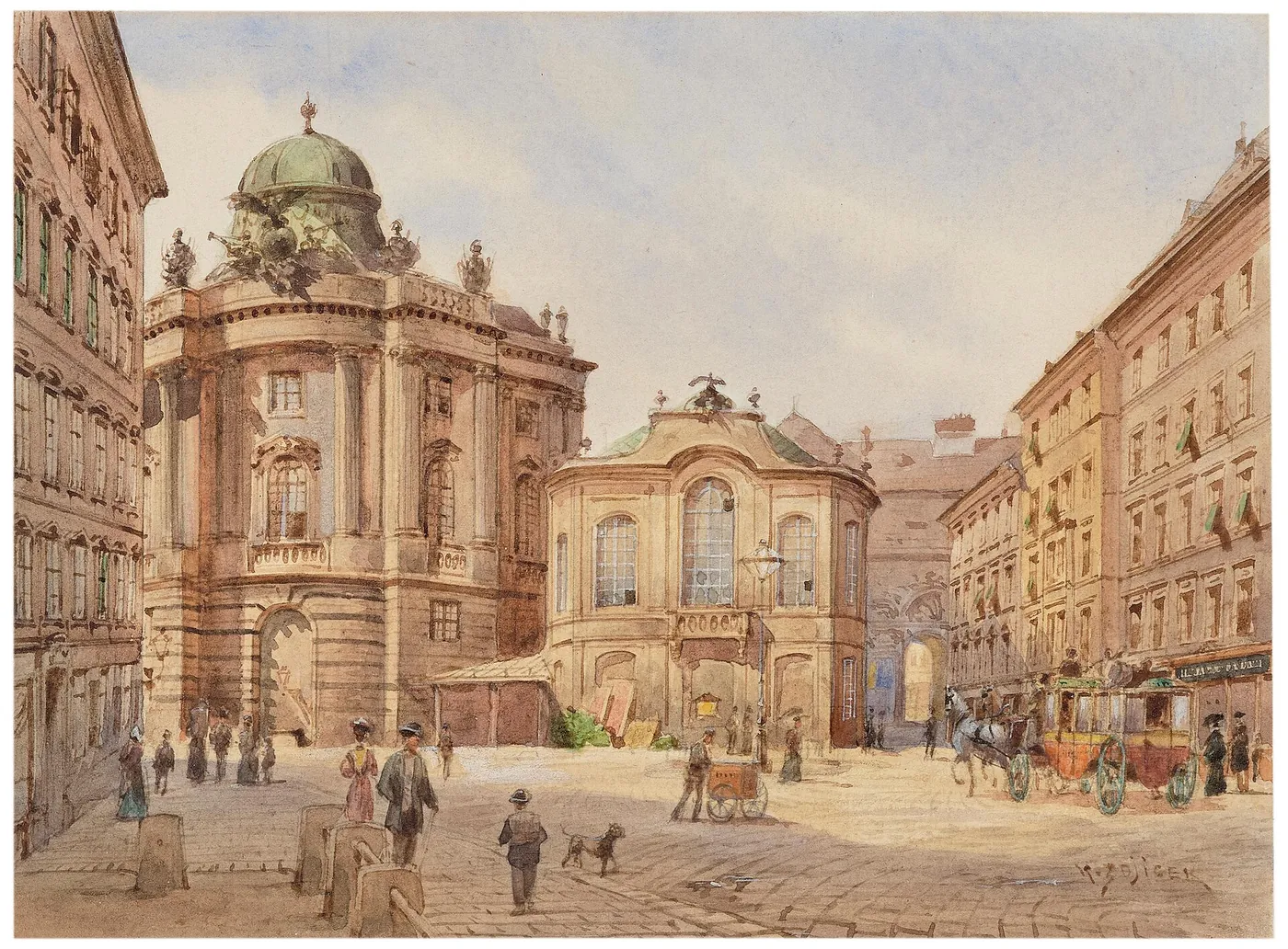
An opera buffa in four acts, with a libretto by Lorenzo Da Ponte after Beaumarchais, first staged at the Burgtheater in Vienna on 1 May 1786. Wikipedia says Mozart conducted the first two performances, seated at the keyboard as custom was. The plot has the servants Figaro and Susanna foiling the Count who employs them. Beaumarchais's play was at first banned in Vienna, Wikipedia notes, because Emperor Joseph II objected to some of its content.
Don Giovanni
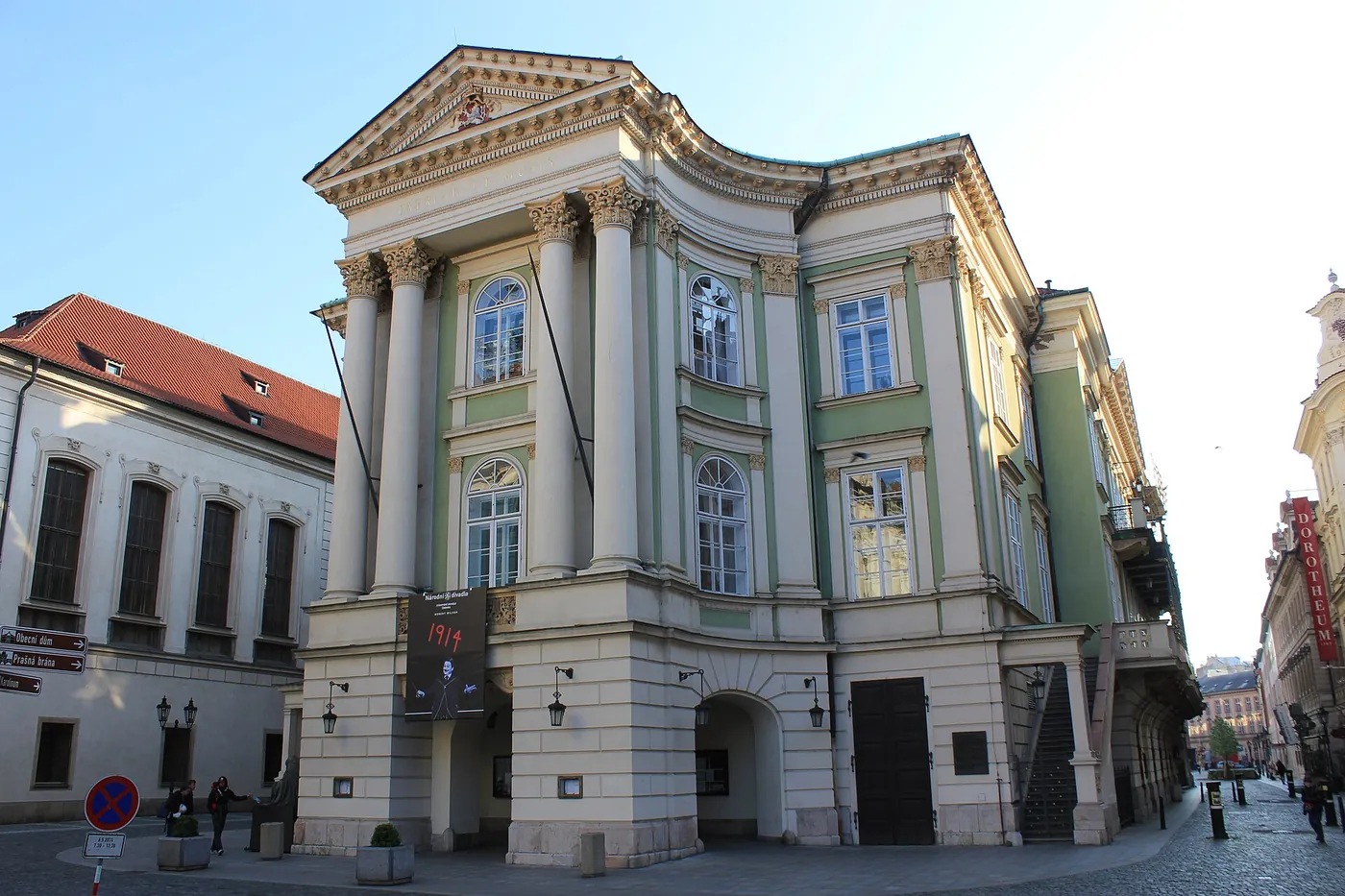
Mozart's second opera with Da Ponte was not first staged in Vienna but in Prague, at what is now the Estates Theatre, on 29 October 1787. It retells the old Spanish legend of Don Juan, a libertine who is punished. Wikipedia labels it a dramma giocoso, blending humour, melodrama and ghostly elements, and says Vienna staged it the following year with less success than Prague had given it.
The Magic Flute
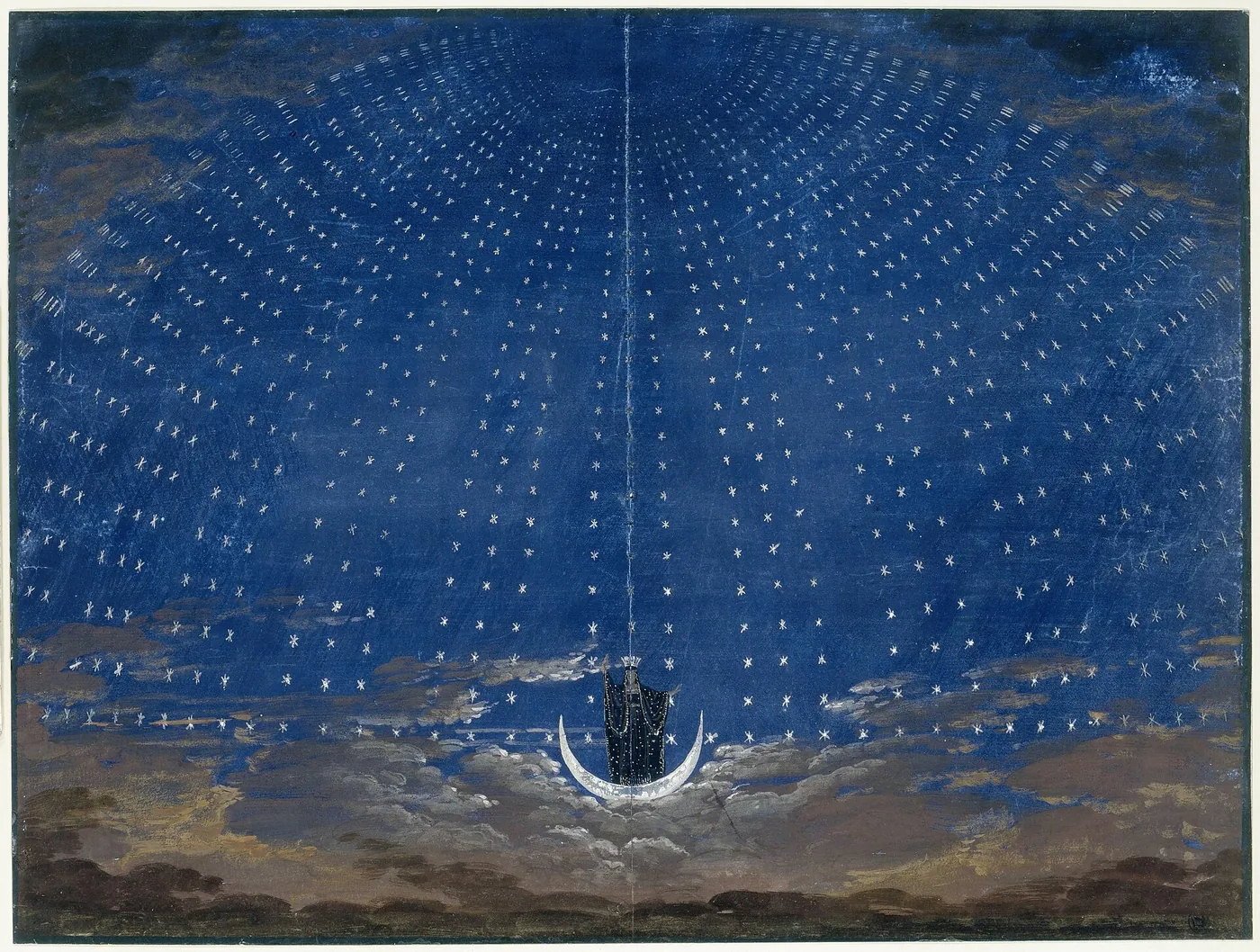
A Singspiel in two acts to a German libretto by Emanuel Schikaneder, with spoken dialogue between the songs. It opened on 30 September 1791 at Schikaneder's theatre on the Wieden, known as the Freihaus-Theater, two months before Mozart's death, and was his last opera. In it Prince Tamino sets out to free Pamina, daughter of the Queen of the Night, while the bird-catcher Papageno goes along and fails every trial, as Wikipedia summarises it.
Eine kleine Nachtmusik
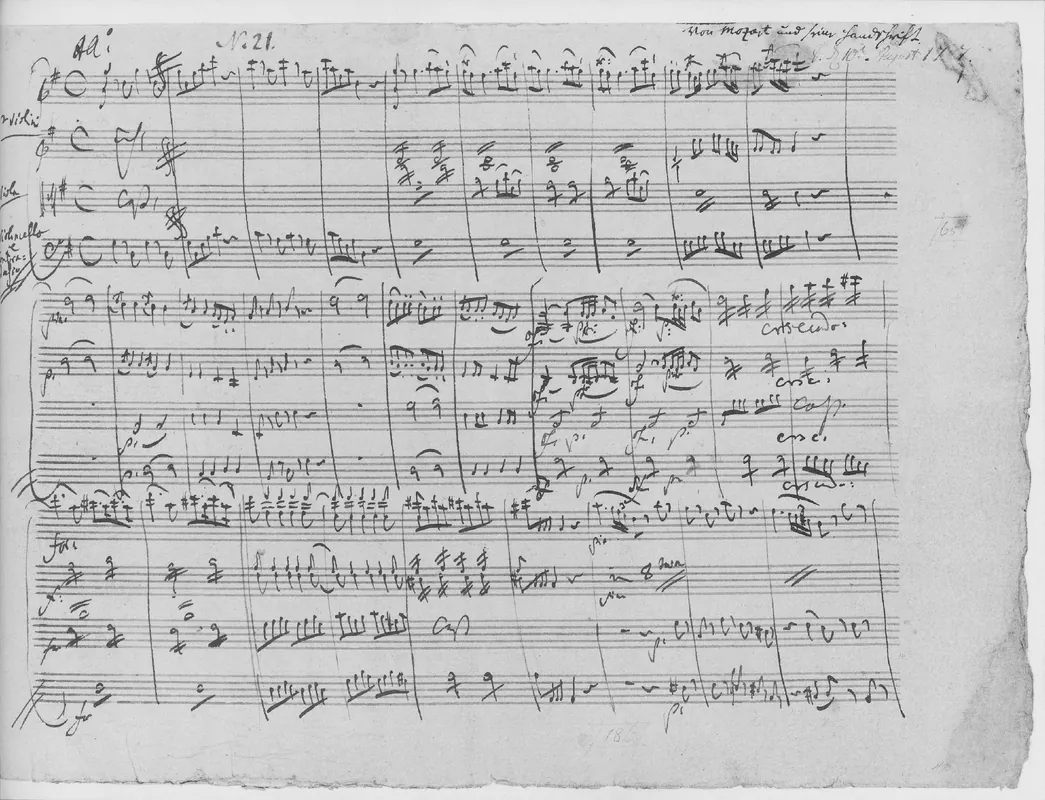
Not an opera but a serenade, finished in Vienna on 10 August 1787 while Mozart was busy with the second act of Don Giovanni. Mozart scored it for strings alone, and string orchestras often play it; four movements survive. Wikipedia says its circumstances are unknown and that it was not published until about 1827, more than thirty years after Mozart's death.
The Blue Danube
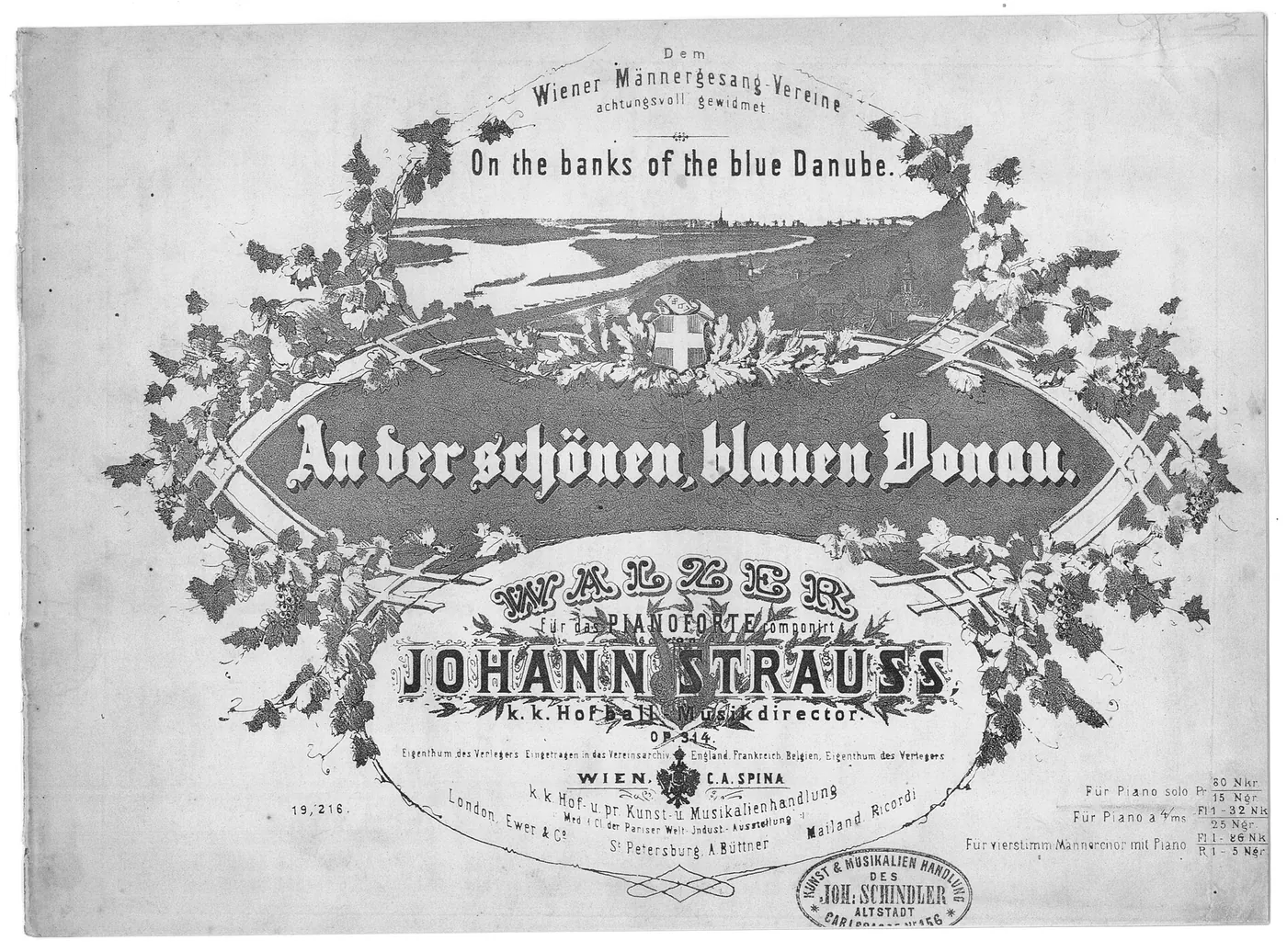
Johann Strauss II composed the waltz in 1866. Its first outing, on 15 February 1867, was as a choral piece at a concert of the Vienna Men's Choral Association, and the welcome was mild. For the 1867 Paris World's Fair he adapted it into a purely orchestral version, which became a great success. Wikipedia calls it one of the most consistently popular pieces of the classical repertoire, and the orchestral version by far the most commonly performed today.
Radetzky March
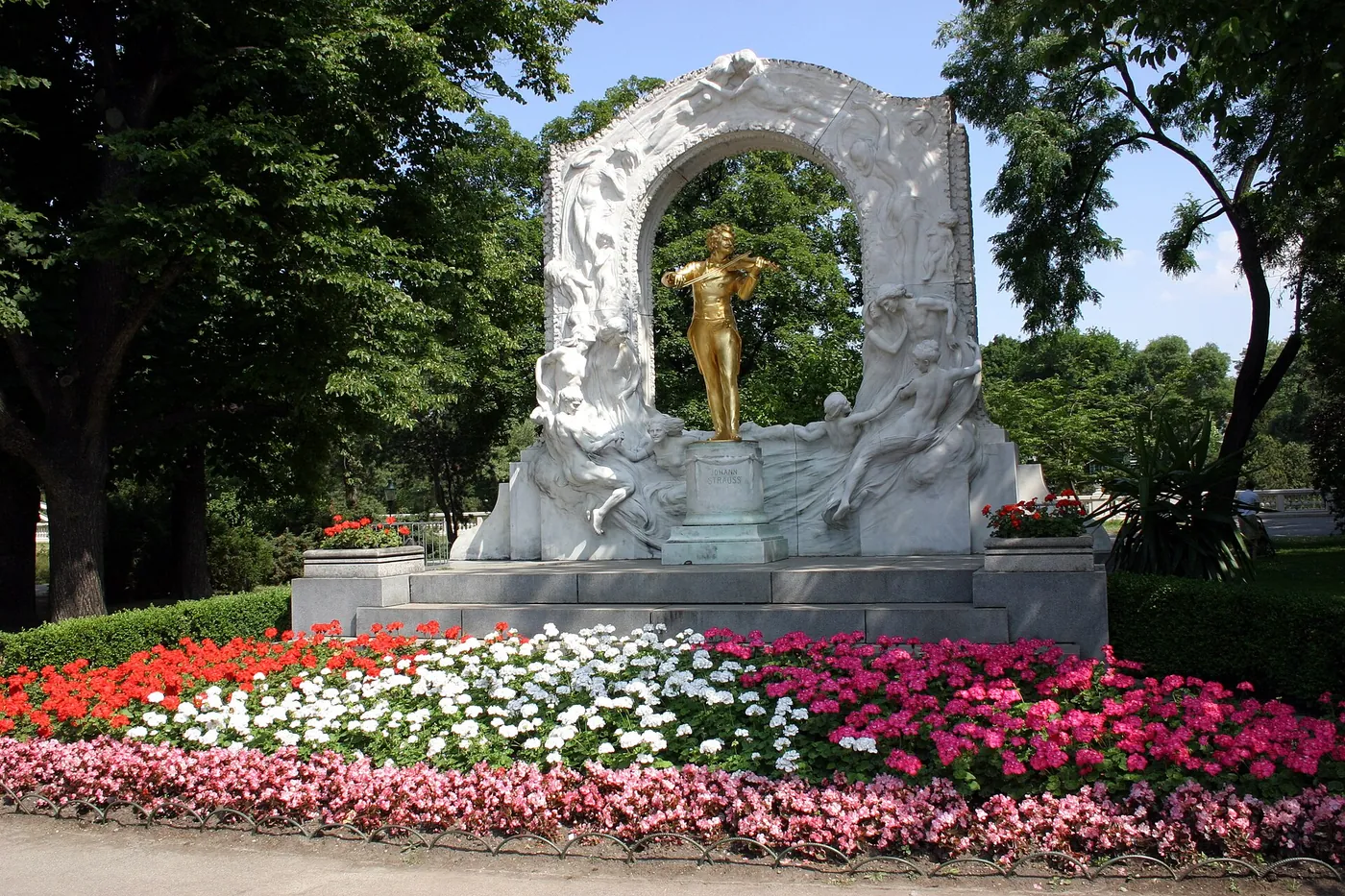
Johann Strauss I, the father of the Waltz King, wrote the march, which was first performed on 31 August 1848 to celebrate a victory at the Battle of Custoza. Wikipedia describes a clapping tradition when it is played in classical venues: quiet rhythmic clapping on the first round of the melody, thunderous on the second. It also records that at the Vienna Philharmonic's New Year's Concert those two pieces are the traditional closing encores.
Who this isn't for
Listeners hoping for one particular aria, this concert cannot promise it, since the pieces can change by date. If you want a complete opera, its acts and its plot, this is the wrong format. And if you already know these works well and expect a leading orchestra's interpretation, remember that this is a concert for visitors. For listeners who simply want to meet Mozart and Strauss in a Vienna hall, the repertoire is a good place to start.
Frequently asked questions
Which Mozart pieces will be played?
The description says overtures, arias and duets from Mozart's operas, without listing them. The exact pieces can change by date, so none is promised.
Is the Blue Danube on the programme?
The concert's description names Johann Strauss's Blue Danube and Radetzky March as part of the evening.
Who wrote the Radetzky March?
Strauss senior; his son, Johann Strauss II, wrote the Blue Danube.
Was Don Giovanni first staged in Vienna?
No. It premiered in Prague on 29 October 1787, and Vienna staged it the following year, according to Wikipedia.
Is Eine kleine Nachtmusik an opera?
No. It is a serenade for strings, completed in Vienna on 10 August 1787.
Sources